




Phishing Scams in Europe: The Most Common Tricks Targeting Seniors in 2025
Discover how phishing scams are evolving in Europe in 2025 and why seniors are among the main targets. This article explains key threats and offers practical tips for safer digital living.
VINEXA
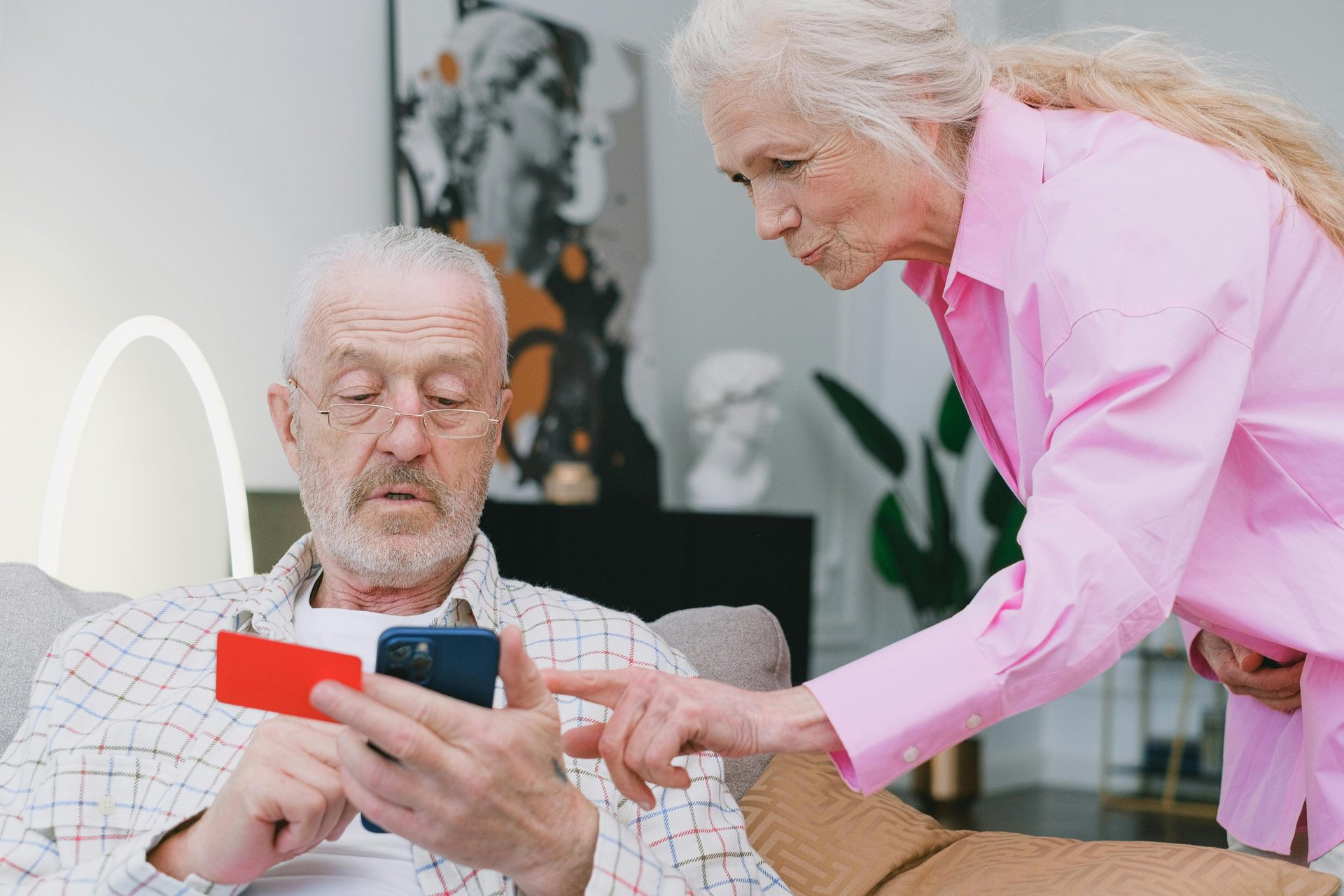
As digital use increases across all age groups in Europe, cybercriminals are continuously refining their tactics to exploit those they perceive as vulnerable. One of the most persistent threats is phishing, a form of online fraud in which deceptive messages trick recipients into revealing personal or financial information. Phishing remains a major entry point for cybercriminals targeting individuals and organisations in 2025 (ENISA, 2025).
Why Seniors Are a Target
Seniors are often considered attractive targets for cyber scammers because they may hold long-accumulated savings, pensions, or financial assets and in some cases have lower familiarity with modern digital tricks. Research suggests that older adults are more likely to disclose sensitive information in fraud situations and may experience more severe consequences when victimised (Havers, 2024).
European research also shows that phishing and related scams remain among the most common methods used to exploit vulnerable online users. In the EU today, phishing is frequently cited as the most widespread initial attack vector used by cybercriminals (ENISA, 2025).
How Widespread Phishing Is
Although exact figures vary by region and reporting system, evidence from both cybersecurity agencies and national studies points to a high prevalence of phishing incidents across Europe. For example, phishing (including smishing via SMS) accounts for nearly sixty percent of initial access incidents in some EU reports (ENISA, 2025). In addition, national data from CERT Poland showed over forty thousand phishing cases recorded in one recent year, making up more than half of all cyberattack incidents handled by the agency (Gov.pl, 2024).
Surveys of internet users indicate that roughly half of senior participants report having encountered attempted online scams, including phishing attempts, demonstrating how common these threats remain even among digitally cautious users (Bank Pocztowy, 2025).
Typical Phishing Tactics Targeting Seniors
In 2025, several phishing strategies continue to circulate widely. Cybercriminals often customise these tactics to appear urgent, familiar, and trustworthy. Common approaches include:
Fake Financial Alerts. Scammers impersonate banks or payment services, claiming account problems that require immediate action.
Package Delivery Scams. Fraudulent emails or SMS messages claim that a parcel or shipment is awaiting payment or verification, prompting victims to click harmful links.
Impersonating Government or Institutions. Messages purporting to be from tax authorities, pension services, or other official bodies are used to extract personal data.
SMS and Voice Phishing. Text and phone scams that mimic real organisations trick victims into disclosing information or transferring money. These attacks, sometimes called smishing and vishing, are growing in frequency (ENISA, 2025).
Impact on Seniors and Their Families
The consequences of phishing and related scams are not merely financial. Studies show that many older adults who lose money to fraud also experience emotional stress, reduced trust in digital tools, and negative psychological effects. For some, the memory of victimisation reduces confidence in using essential online services in the future (Independent Age, 2024).
National studies reflect similar trends in Europe. In Poland, roughly forty-six percent of surveyed seniors reported encountering an attempted online scam in a single year, and around twelve percent indicated that an attempt had succeeded (Bank Pocztowy, 2025). These numbers underscore the continued relevance of phishing threats even amidst increasing digital awareness.
Why Awareness and Education Matter
One consistent finding across research and public reports is that technical protections alone cannot fully prevent phishing attacks. Because phishing works by exploiting human trust and social behaviours, awareness and education are crucial components of defence. Teaching individuals to recognise suspicious links, verify unexpected requests, and pause before responding to pressure tactics significantly reduces the likelihood of victimisation.
Cybersecurity platforms and resources that focus on practical examples of phishing scenarios help build confidence. Step-by-step videos, real-world examples, and interactive content can make abstract concepts tangible for learners of all ages.
Conclusion
Phishing remains a major threat throughout Europe in 2025, and older adults continue to be disproportionately affected. As cybercriminals refine their tactics and exploit social engineering techniques, awareness and education become essential tools for prevention. Encouraging safe online habits, equipping seniors with the knowledge to recognise scams, and fostering community support are key to reducing the impact of phishing on vulnerable populations across the continent.
References
European Union Agency for Cybersecurity. (2025). Threat landscape 2025. https://www.enisa.europa.eu/publications/enisa-threat-landscape-2025
Gov.pl. (2024). Phishing as the most common form of cyberattacks. https://www.gov.pl/web/cyfryzacja/phishing-jako-najczesciej-spotykana-forma-cyberatakow
Havers, B. (2024). Cybercrime victimisation among older adults. https://pmc.ncbi.nlm.nih.gov/articles/PMC11654966/
Independent Age. (2024). New data shows online scams cost older people an average of £4,000. https://www.independentage.org/news-media/press-releases/new-data-shows-online-scams-cost-older-people-an-average-of-ps4000-but
Bank Pocztowy. (2025). Seniors and internet fraud exposure statistics 2025. https://bank.pl/niemal-polowa-seniorow-deklaruje-kontakt-z-probami-wyludzen-wyniki-badania-banku-pocztowego/

Stay Safe. Stay Connected.
Home | About Project | Learning Platform | Blog | Contact Us
© 2026 Phish Project. All rights reserved.